

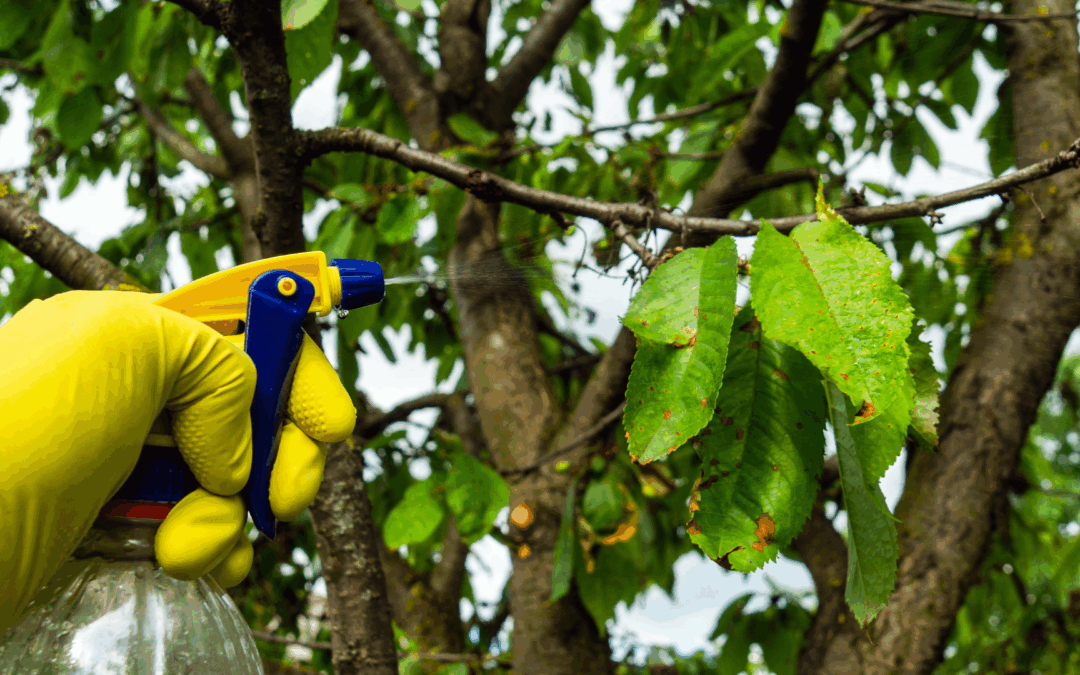
When temperatures rise in summer and begin to cool in fall, pest activity reaches its peak, making homes and businesses more vulnerable to infestations. From ants and mosquitoes in the heat to rodents seeking shelter in cooler months, seasonal pests can quickly turn into a year-round problem if not addressed proactively. Investing in a professional pest maintenance plan ensures you have consistent protection against these seasonal threats. With expert inspections, targeted treatments, and prevention strategies, you can stop pest problems before they escalate.
Seasonal pest control also protects your property’s value, prevents costly damage, and reduces health risks associated with bites, stings, or contamination. Homeowners and business owners alike benefit from having a trusted pest prevention service on standby. Maintenance plans are also more cost-effective than emergency treatments because they prevent infestations before they require expensive solutions. By taking action now, you can enjoy peace of mind knowing your property is protected from summer and fall pest invasions.
Common Summer and Fall Pest Problems in the U.S.
Summer Pest Threats
Summer brings heat, humidity, and an abundance of pest activity that can make enjoying your outdoor spaces difficult. Mosquitoes thrive in warm, damp environments and can spread diseases like West Nile virus. Ants become more aggressive in foraging for food, often invading kitchens and pantries. Wasps and hornets build nests in trees, eaves, and sheds, posing a stinging hazard. Flies breed rapidly during hot months, spreading bacteria wherever they land. Without professional pest control, these insects can multiply quickly, creating ongoing problems. Regular maintenance visits help break breeding cycles, reduce populations, and prevent these pests from entering your home. With expert seasonal pest control, you can keep your property comfortable and pest-free all summer long.
Fall Pest Threats
When cooler weather arrives, pests start searching for warm, sheltered spots to survive the winter. Rodents like mice and rats often squeeze into attics, basements, and wall voids, causing damage and spreading diseases. Spiders become more noticeable indoors as they seek out insects for food. Stink bugs and boxelder bugs look for cracks in siding and windows to overwinter inside. Cockroaches, drawn by warmth and food sources, migrate indoors during fall months. These invaders can quickly establish themselves without proper prevention measures in place. Seasonal pest maintenance focuses on sealing entry points, reducing food access, and applying targeted treatments. By acting before temperatures drop, you can keep fall pests outside where they belong.
How Maintenance Plans Keep You Pest-Free Year-Round
Pest maintenance plans are designed to provide continuous, proactive protection against seasonal pests. Instead of waiting until an infestation occurs, these plans focus on prevention, which is both more effective and cost-efficient. A year-round pest protection program includes scheduled inspections to catch problems early, seasonal treatments to target active pests, and follow-up visits to ensure results. Professional pest technicians also use integrated pest management (IPM) methods to minimize chemical use while maximizing results. Plans can be customized to address the most common pests in your area, whether that’s ants, rodents, spiders, or mosquitoes. With ongoing monitoring, your pest control provider can adapt treatments as pest patterns change with the seasons. This proactive approach saves time, money, and stress compared to emergency treatments. It also helps ensure your home or business remains pest-free in both summer and fall.
Key Features of a Seasonal Pest Maintenance Plan
A professional seasonal pest maintenance plan typically includes:
- Initial comprehensive pest inspection
- Seasonal pest identification and monitoring
- Customized treatment plans for summer and fall pests
- Regularly scheduled service visits
- Preventive barrier treatments around the property
- Crack and crevice sealing to block entry points
- Outdoor perimeter sprays for insect control
- Indoor treatments targeting high-risk areas
- Rodent monitoring and bait stations
- Mosquito and tick prevention treatments
- Removal of wasp and hornet nests
- Eco-friendly pest control options available
- Emergency service calls for urgent issues
- Detailed service reports after each visit
- Expert recommendations for home pest-proofing
Step-by-Step Process of a Pest Maintenance Program
Initial Consultation & Inspection – A professional technician evaluates your property for signs of pest activity and vulnerabilities.
Pest Identification – Determining which pests are most active during the current season.
Customized Plan Creation – Tailoring treatments based on property needs and seasonal pest trends.
Treatment Application – Applying targeted treatments indoors and outdoors.
Entry Point Sealing – Closing gaps, cracks, and holes to block pests.
Monitoring & Follow-Ups – Scheduling check-ins to ensure treatments are working.
Seasonal Adjustments – Updating treatment plans as temperatures and pest activity shift.
Final Review – Confirming that your property remains pest-free.
Benefits of Summer Pest Control
Protecting Outdoor Spaces from Insects
Summer pests can make patios, decks, and gardens uncomfortable and unsafe. Mosquitoes not only cause itchy bites but also spread dangerous illnesses. Wasps and hornets can become aggressive, especially near outdoor gatherings. Ant infestations near walkways and lawns disrupt landscaping. With targeted summer pest prevention services, you can enjoy your yard without constant swatting or stinging hazards. Treatments focus on removing breeding sites, applying outdoor barriers, and controlling populations. This creates a safer environment for family barbecues, pool parties, and evening relaxation. Outdoor pest control is an essential part of any seasonal maintenance plan.
Reducing Health Risks from Bites and Stings
Beyond discomfort, summer pest bites can carry significant health risks. Mosquitoes may transmit West Nile virus, Zika, or other illnesses. Tick populations, often active in summer, can spread Lyme disease. Wasp stings can trigger allergic reactions, some of which are severe. Flies contaminate surfaces and food, leading to foodborne illnesses. Seasonal pest control treatments help reduce these threats by targeting pests before they can reproduce. Professional pest control keeps your outdoor activities safer and healthier. This protection is especially important for households with children, pets, or elderly family members.
Benefits of Fall Pest Control
Preventing Rodent Infestations
Fall is prime time for rodents to invade homes in search of warmth and food. Once inside, they can chew through wires, insulation, and even structural materials. Rodents also contaminate food supplies and spread diseases such as hantavirus and salmonella. A fall Pest Free maintenance plan includes sealing potential entry points and strategically placing traps or bait stations. Regular inspections help ensure no rodents go undetected. Preventing an infestation before it starts saves money and stress compared to removal after they’ve settled in. With proactive measures, you can enjoy a rodent-free winter.
Keeping Overwintering Insects Out
Insects like stink bugs, cluster flies, and boxelder bugs seek shelter indoors during fall. These pests may not cause structural damage, but they can be a nuisance in large numbers. Once inside, they often hide in attics, wall voids, and basements until spring. Pest maintenance plans focus on creating strong exterior barriers to keep these insects outside. Technicians also inspect for gaps around windows, doors, and siding. By treating your home before pests enter, you can avoid unpleasant surprises during the colder months.
Residential vs. Commercial Pest Maintenance Plans
| Feature | Residential Plans | Commercial Plans |
|---|---|---|
| Service Frequency | Monthly or quarterly | Monthly, bi-weekly, or weekly |
| Pest Coverage | Common household pests | Industry-specific pests & rodents |
| Property Size | Single homes or apartments | Larger properties & multiple buildings |
| Compliance Needs | General health & safety | Industry regulations & audits |
| Treatment Focus | Comfort & property protection | Business continuity & sanitation |
| Cost | Lower | Higher due to scale & complexity |
Eco-Friendly and Family-Safe Pest Control Options
Modern pest control offers eco-friendly solutions that keep your family and pets safe while still effectively managing pests. Green pest management uses botanical-based sprays, targeted bait systems, and non-toxic traps. Integrated Pest Management (IPM) strategies focus on prevention, monitoring, and minimal chemical use. These methods not only protect the environment but also reduce the risk of exposure to harmful substances. Families with young children or pets benefit from knowing treatments are safe around play areas. Eco-friendly options also appeal to environmentally conscious homeowners. Professional pest control companies can tailor these solutions to your property’s unique needs. This ensures effective pest prevention without compromising safety.
Cost-Effectiveness of Regular Pest Maintenance
Many people see pest control as an expense, but regular maintenance is an investment that saves money in the long run. Emergency exterminations are often more expensive because infestations require intensive treatments. Damage from pests like termites, rodents, or carpenter ants can cost thousands to repair. Maintenance plans spread costs over the year, making them more manageable. They also prevent costly disruptions, such as lost business days for commercial properties. With regular inspections, minor issues are resolved before they become major problems. Over time, consistent pest management pays for itself by avoiding larger expenses. Preventive care is always more affordable than reactive solutions.
Tips for Choosing the Right Pest Control Company
- Check licenses and certifications
- Read online reviews and testimonials
- Ask about service guarantees
- Compare plan pricing and coverage
- Look for eco-friendly treatment options
- Verify technician training and experience
- Ask for a detailed inspection report
- Understand contract terms before signing
- Ensure they offer seasonal pest prevention
- Ask about emergency service availability
- Choose a company familiar with local pest challenges
Conclusion
Seasonal pest maintenance plans are the most effective way to protect your property from unwanted invaders. By addressing summer pests like mosquitoes, ants, and wasps, and preventing fall pests such as rodents and stink bugs, you can enjoy your home or business without constant pest worries. These plans offer consistent protection, save money, and provide peace of mind all year long. Whether you choose standard or eco-friendly treatments, professional pest control ensures your property remains safe, healthy, and comfortable. Don’t wait until pests take over—proactive prevention is the key to long-term pest-free living.