


Most pests are a nuisance to get rid of, but for the most part, they are harmless. Stinging insects, however, are at the top of the list when it comes to dangerous pests on your residential or commercial property. They can pose serious risks to health and cause property damage, in some cases. Our pest control services in Piscataway, at Pestogone are well-versed in this matter, and we’re here to share the important details so you know how to respond to a stinging insect infestation and when to seek immediate assistance.
Let’s get right to it.
Types of Stingers
First, it is essential to know what you need to be wary of. The most commonly found stingers in the Central New Jersey area include:
- Hornets (bald-faced hornet, European hornet, Asian giant hornet)
- Bees (Honeybees, Ground bees, Carpenter bees, Bumblebees, Digger bees)
- Wasps (Yellow jackets, Paper wasps, Mud daubers, Cicada killers)
- Ants (European fire ant, Asian needle ant)
Small in size, but big in bite, all of these stinging insects can be dangerous when bothered. Stinging is their primary defense mechanism, which will be activated if you try to remove their nest or come in close contact.
Signs of an Infestation
Usually, most of these stingers can be found outdoors. But in rare cases, an infestation can also occur indoors, particularly with ants. Here are clues of an infestation:
- Holes or nests in the ground – Increased insect activity near a hole in the ground indicates there may be yellow jackets or ground bees below.
- Visible nests – It is easy to spot the nests of bees, hornets, or wasps in your garden. They can also hide under the patio, in sheds, bushes, attics, and other hidden places, so it’s best to inspect thoroughly if you have doubts.
- Buzzing – The presence of a swarm or colony is sure to result in a buzzing sound, which can alert you to an infestation.
- Aggressive Swarming – Other insects usually get defensive when there is a nest nearby and stick together.
- Structural Damage – Stinging ants can chew through wiring, wood, and insulation. Paper wasps build their nests with chewed wood, so they can also cause structural damage.
The Dangers Posed
The National Pest Management Association reports that stinging insects are responsible for sending more than half a million people to the emergency room annually. A sting can cause local allergic reactions like swelling, redness, etc. The most serious risk involved is an anaphylaxis reaction, which can result in swelling of the throat and tongue, difficulty breathing or swallowing, wheezing or coughing, and dizziness. Safe removal of nests and infestations is crucial to eliminate these risks entirely.
Getting Immediate Help
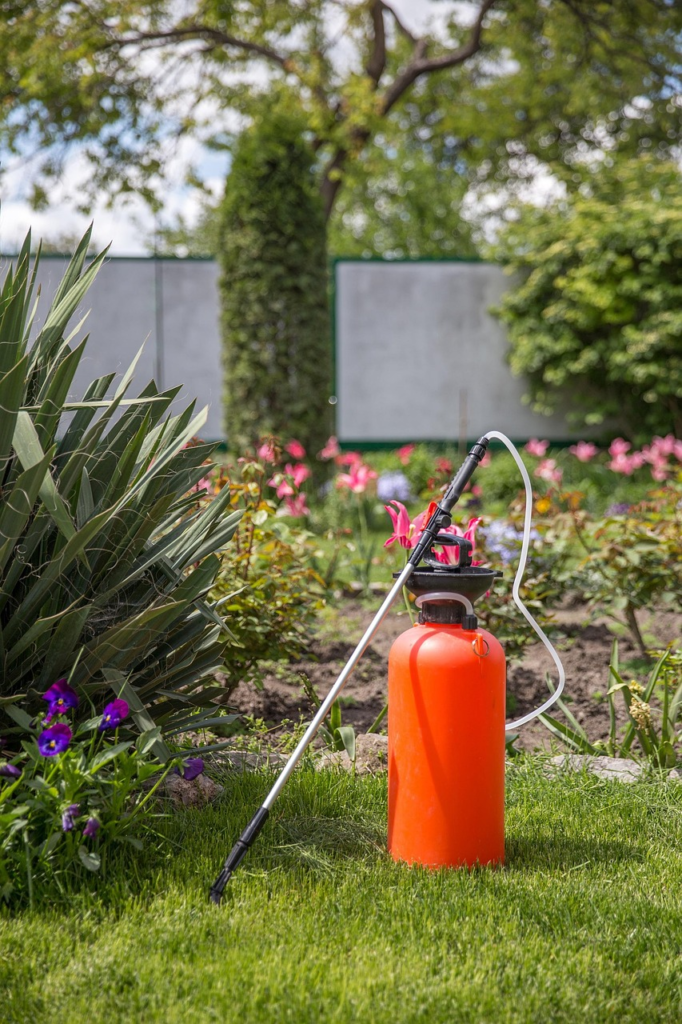
Stinging insect infestations are the one case you absolutely must not attempt to DIY. These species are also crucial to the environment, so safe removal works in favor of all. Leaving it to the professionals is the best approach.
At Pestogone, we have years of experience dealing with all kinds of pests, including stinging insects, in Piscataway, Monroe Township, Warren, Princeton, and across the Central New Jersey area. Our methods involve an eco-friendly approach and advanced technology that eliminates the chances of danger. If you’ve been noticing signs of an infestation, it might be time to call for assistance.
Contact us today to protect your space and your loved ones.