Earwigs

Services
Earwigs: The Misunderstood Insect
Earwig Control Services
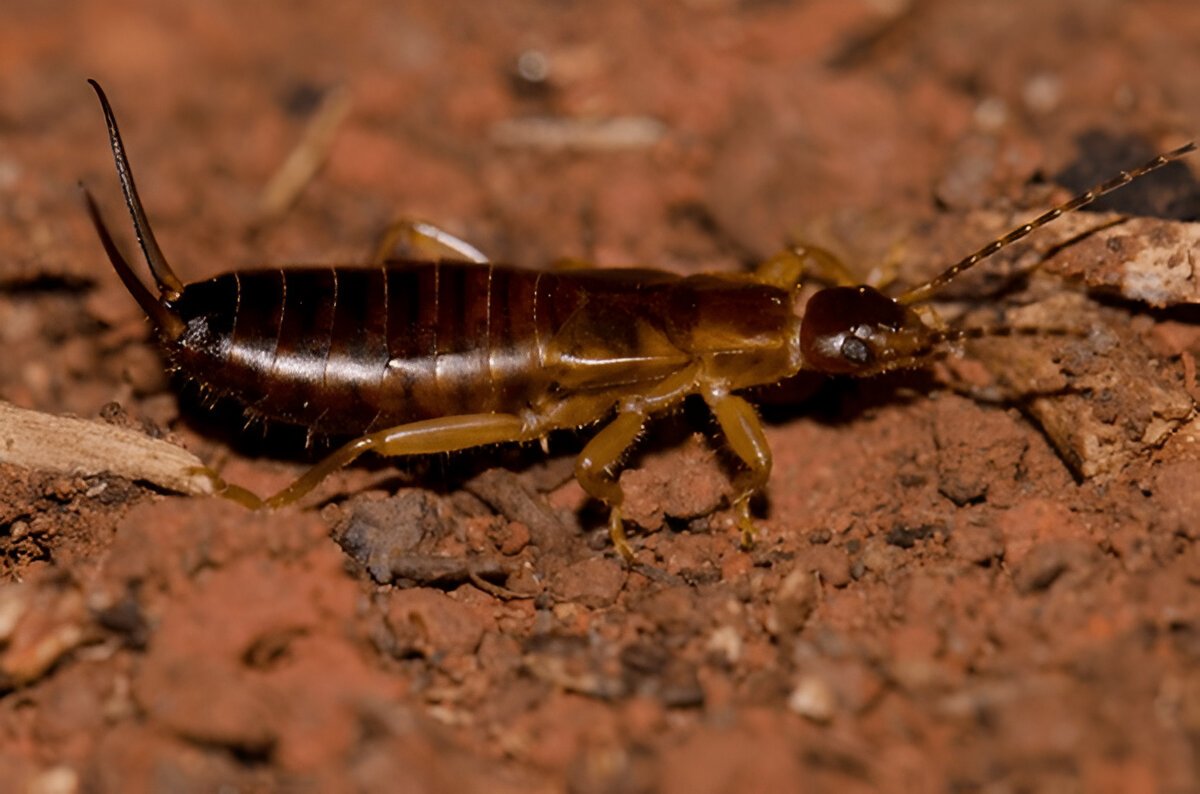
Description: Earwigs are long, narrow insects ranging from 1/5 inch to 1 inch in length. They are generally black or dark brown and are easily recognizable by their distinctive pincers, or cerci, which curve inward at the end of their abdomen. These pincers can be intimidating in appearance but are not used for offensive purposes.
What Are Earwigs?
Earwigs are nocturnal insects, meaning they are most active during the night. They prefer dark, damp environments and are commonly found in basements, crawl spaces, and under debris. Their diet consists primarily of decaying organic matter, but they may also consume live plants and small insects.
Habitat and Behavior of Earwigs
Earwigs thrive in moist environments where they can find shelter and food. They are frequently found in garden mulch, leaf litter, and under stones or logs. Inside homes, they seek out dark, damp areas such as basements, crawl spaces, and bathrooms. Outdoors, earwigs may invade homes when they are searching for food or shelter, especially during wet weather.
Are Earwigs Dangerous?
Earwigs are not venomous and do not pose any significant danger to humans. Their pincers are used mainly for defense and handling food. While they can pinch if handled, the bite is usually mild and may cause minor irritation or redness. In some cases, people might experience a slight allergic reaction, but serious health issues are rare. Earwigs can emit a foul-smelling fluid from their abdomen as a defense mechanism when threatened.
Why Do I Have an Earwig Problem?
Earwigs are drawn to homes due to their preference for dark and damp conditions. They may enter homes in search of food or as the weather changes. The presence of earwigs inside a home often indicates underlying moisture problems. Leaky pipes, poor ventilation, or excessive humidity can create an environment conducive to earwig infestations.
How Do I Get Rid of Earwigs?
Controlling an earwig infestation requires addressing the conditions that attract them and implementing preventive measures. Here are some steps you can take to reduce earwig populations:
- Reduce Moisture: Fix any leaks, improve ventilation, and use dehumidifiers to keep indoor areas dry.
- Seal Entry Points: Close off cracks and gaps around doors, windows, and foundation to prevent earwigs from entering.
- Remove Debris: Clear away garden debris, mulch, and wood piles that can serve as harborage sites for earwigs.
- Use Traps: Sticky traps and simple homemade traps, such as rolled-up newspaper, can help capture earwigs and reduce their numbers.
For severe infestations, professional pest control services may be necessary to effectively eliminate earwigs and address the root causes of their presence. Pestogone‘s experts can provide thorough inspections and targeted treatments to keep your home free from these unwanted pests.
Prevention and Earwig Control
To reduce the presence of earwigs in your home, focus on eliminating their preferred habitats. Keep basements, crawl spaces, and other damp areas dry and well-ventilated. Regularly check and clean these spaces to prevent earwigs from settling in. If you have a garden, consider keeping mulch and plant debris away from the foundation of your home, as these areas can attract earwigs.
If you’re dealing with an earwig problem or want to take preventive measures, contact Pestogone today. Our professionals are equipped with the knowledge and tools to manage and prevent earwig infestations effectively.