

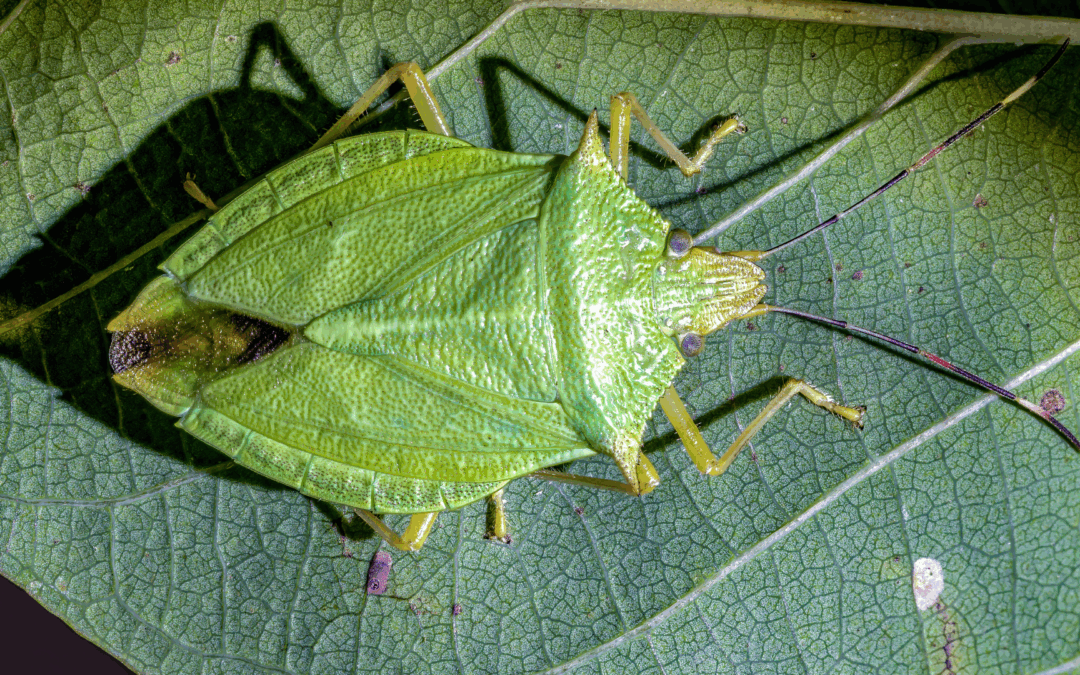
Stink bugs have become a growing concern for New Jersey homeowners, especially during the fall season when these pests aggressively seek shelter indoors. As the temperature drops, stink bugs look for warm, safe areas to overwinter, and homes provide the perfect hiding spots. Their presence is not just a minor inconvenience—these pests can create an unpleasant odor, damage indoor plants, and trigger headaches for those sensitive to strong scents. Many homeowners are unaware of how easily stink bugs can enter, often through small cracks, gaps in doors and windows, or attic vents. The brown marmorated stink bug, an invasive species, is the most common culprit in NJ and has spread rapidly due to a lack of natural predators. Fall is the most critical time for prevention, as stopping them before they enter is far easier than eliminating them once they’ve settled inside walls and ceilings. Understanding why they invade and how to block them out will save time, money, and frustration. This guide covers everything from signs of infestation to professional solutions, ensuring NJ homes remain comfortable and pest-free during fall.
Understanding the Stink Bug Problem in New Jersey
What Are Stink Bugs?
Stink bugs are shield-shaped insects about half an inch long, recognizable by their brown or gray mottled coloring and piercing-sucking mouthparts. The most common type in New Jersey is the brown marmorated stink bug, originally from Asia, which has become an invasive nuisance. They are harmless to humans because they do not bite or spread diseases, but their defense mechanism—releasing a foul odor—makes them unpleasant houseguests. Outdoors, they feed on crops, fruits, vegetables, and ornamental plants, making them a threat to gardens and agricultural production. When disturbed or crushed, stink bugs release a distinctive odor described as similar to cilantro or rotten vegetables. Their ability to squeeze through tiny spaces allows them to infiltrate homes quickly and settle in wall voids, attics, and basements. Understanding their behavior is the first step toward preventing large-scale infestations inside homes.
Why Are They a Fall Pest in NJ?
The seasonal shift in New Jersey creates perfect conditions for stink bugs to migrate indoors. During warm months, stink bugs thrive outdoors, feeding on vegetation, but as temperatures drop in late September and October, their behavior changes drastically. Instinctively, they search for sheltered areas to overwinter, and residential structures often provide ideal hiding spots. Houses with unsealed windows, loose siding, and damaged door frames are most vulnerable to these intruders. Unlike other pests that invade for food, stink bugs primarily seek warmth, making attics, basements, and behind-wall cavities common harborage sites. Once inside, they can survive the entire winter unnoticed until they re-emerge in spring, often startling homeowners. This seasonal migration is why prevention steps taken before fall are the most effective solution. Without preparation, homeowners may face infestations that require professional intervention for complete eradication.
Signs of a Stink Bug Infestation
Look out for these common signs that indicate stink bugs have invaded your home:
- Clusters of live stink bugs around windows and doors
- Dead stink bugs collected on window sills or near light fixtures
- Buzzing or clicking sounds from walls or ceiling spaces
- A strong, pungent odor resembling cilantro or spoiled food
- Stains or dark spots on curtains, walls, or window sills
- Stink bugs gathering around exterior lighting at night
- Bugs crawling on walls, particularly near sunny windows during daytime
- Sudden increase in stink bugs near entry points such as attics and chimneys
- Finding stink bugs inside clothing, bedding, or storage boxes in rarely used rooms
- Visible entry points such as cracks, gaps, or torn window screens near infested areas
- Seasonal appearance, especially in late September through November
- Dead insects accumulating in ceiling corners and behind furniture
- Discovering stink bugs in basements, garages, and crawl spaces
- An unusual musty odor in enclosed spaces, indicating larger populations
- Increased sightings of stink bugs re-emerging indoors during spring.
Why You Should Take Stink Bugs Seriously
While stink bugs are often considered harmless, their presence in large numbers can cause significant discomfort and inconvenience for homeowners. They release an unpleasant odor when crushed or disturbed, which can linger in homes and affect indoor air quality. Their odor is especially strong when they gather in large numbers in confined spaces such as wall voids, attics, and basements. Additionally, stink bugs can damage houseplants, stored produce, and even fabrics when populations grow unchecked. Their ability to multiply quickly and hide in inaccessible spaces makes removal challenging, often requiring professional intervention. These pests also attract other nuisance insects like spiders that feed on them, compounding your pest problems. A single season of ignoring stink bugs can lead to recurring infestations year after year. Taking preventive steps early not only protects your home’s comfort but also saves you the cost and hassle of dealing with long-term pest issues.
DIY Stink Bug Prevention Tips for NJ Homeowners
Follow these essential steps to keep stink bugs from entering your home:
- Seal all cracks and gaps around windows, doors, and siding
- Install or replace weather stripping on doors and windows
- Repair damaged or torn window and door screens
- Apply silicone-based caulk to gaps in exterior walls and foundations
- Inspect and cover attic vents, chimneys, and exhaust fans with mesh
- Keep outdoor lighting to a minimum or switch to yellow bug-resistant bulbs
- Store firewood away from the house to reduce hiding spots
- Remove weeds, grass clippings, and debris near your home’s foundation
- Use vacuum cleaners to remove stink bugs safely without crushing them
- Avoid squashing stink bugs indoors to prevent odor release
- Apply natural repellents such as essential oils (clove, peppermint, or citrus)
- Regularly check basements, garages, and crawl spaces for signs of pests
- Keep window blinds and curtains closed at night to reduce light attraction
- Install door sweeps to prevent bugs from crawling under doors
- Use sticky traps in attics and less-used rooms to monitor stink bug activity.
Fall Home Maintenance for Stink Bug Prevention
Seal Entry Points Effectively
Sealing entry points is one of the most effective steps in keeping stink bugs out of your New Jersey home. Inspect every area of the home, including windows, doors, attic vents, foundation cracks, and utility openings where pipes or wires enter. Use high-quality silicone or foam-based sealants to fill gaps, as stink bugs can squeeze through openings as small as a pencil tip. Ensure that all door sweeps and thresholds are intact, and consider adding weather stripping where gaps exist. Check siding and roofline junctions, which are common entry areas often overlooked by homeowners. Pay special attention to chimneys and vents, which should be covered with mesh screens to prevent entry while still allowing airflow. A properly sealed home not only stops stink bugs but also improves energy efficiency and overall pest prevention. Performing this step before fall ensures long-term protection against stink bugs and other seasonal invaders.
Yard and Landscape Management
Outdoor management plays a critical role in reducing stink bug populations around your property. Trim shrubs, trees, and tall grasses away from the house to remove common stink bug resting areas. Remove garden debris, old boards, and unused outdoor furniture that may provide shelter for insects. Keep firewood at least 20 feet from your home and elevated on racks rather than directly on the ground. Harvest fruits and vegetables promptly, as stink bugs are attracted to ripening produce. Minimize moisture around the foundation by ensuring proper drainage and cleaning gutters regularly. Outdoor lighting also attracts stink bugs, so switch to low-attraction bulbs like yellow or amber tones. Taking these landscaping steps will reduce stink bug activity around your property, lowering the risk of them entering your home.
Best Stink Bug Repellents and Products
Selecting the right repellents and products can significantly reduce stink bug invasions in New Jersey homes. Many homeowners prefer natural solutions, while others rely on commercial-grade sprays for long-lasting protection. Here are the top products and repellents that effectively work against stink bugs:
- Peppermint essential oil spray – A natural deterrent with a pleasant scent that repels stink bugs.
- Clove oil spray – Known for its strong scent, effective for both indoor and outdoor use.
- Diatomaceous earth – A natural powder applied along entry points that kills stink bugs on contact.
- Sticky traps – Useful for monitoring and catching stray stink bugs inside the home.
- Insecticidal soap – Safe for plants and garden use, preventing stink bugs from damaging vegetation.
- Commercial stink bug sprays – Specifically formulated to kill and repel brown marmorated stink bugs.
- Vacuum cleaners with HEPA filters – Ideal for removing stink bugs without crushing them and releasing odor.
- UV light traps – Attract stink bugs at night and safely trap them.
- Garlic spray solution – A natural homemade option using crushed garlic and water.
- Door and window weather seals – Prevents stink bugs from entering rather than killing them.
- Mesh covers for vents and chimneys – Blocks stink bug access points effectively.
- Pheromone traps – Designed to lure and capture stink bugs in outdoor areas before they enter homes.
When DIY Isn’t Enough: Calling a Professional Pest Control Service
Even with diligent DIY prevention, stink bug infestations can sometimes become overwhelming, requiring expert intervention. Professional pest control services in New Jersey offer targeted treatments using specialized equipment and products that aren’t available to consumers. Experts conduct thorough inspections to locate hidden entry points, seal potential vulnerabilities, and apply eco-friendly solutions for long-term results. Unlike temporary DIY solutions, professional treatments focus on addressing the root cause of infestations rather than simply removing visible bugs. Additionally, pest control companies often provide warranties or seasonal treatment plans, ensuring your home stays protected year-round. Hiring a professional also eliminates the risk of accidentally spreading stink bug odors, which can happen when homeowners attempt to squash them manually. For large infestations, walls and attics may need specialized fogging or heat treatments, which only trained professionals can safely handle. Partnering with an experienced pest control service saves time, money, and frustration while ensuring your home remains stink bug-free during fall and beyond.
Cost of Stink Bug Removal in NJ
The cost of stink bug removal varies depending on infestation size, location, and whether you choose DIY solutions or professional pest control services.
| Removal Method | Average Cost (NJ) | Effectiveness | Best For |
|---|---|---|---|
| DIY Natural Repellents (Oils, Sprays) | $10 – $30 | Short-term, light control | Small prevention efforts |
| DIY Sticky Traps & Home Sealants | $25 – $60 | Moderate, entry blocking | Homes with minimal infestation |
| One-Time Professional Treatment | $150 – $300 | High, quick results | Medium infestations |
| Seasonal Pest Control Plan (Quarterly) | $350 – $600/year | Maximum, year-round prevention | Homes in high-risk areas |
| Specialized Wall or Attic Treatments | $300 – $500 | High, hidden infestation | Severe or recurring problems |
Preparing for Next Season: Year-Round Pest Prevention
Implementing year-round prevention strategies ensures your home remains safe not only from stink bugs but also from other seasonal pests. Here are effective measures to adopt:
- Schedule annual professional pest inspections.
- Regularly re-seal windows, doors, and siding gaps.
- Maintain HVAC systems and check for unsealed vents.
- Keep attics, basements, and crawl spaces dry and clutter-free.
- Install fine mesh covers over vents, chimneys, and utility lines.
- Use pest-resistant exterior lighting such as yellow bug lights.
- Store firewood and yard debris away from the home.
- Maintain proper drainage around the foundation to reduce moisture.
- Prune trees and shrubs at least 2–3 feet from the house.
- Use weather stripping and door sweeps year-round.
- Clean gutters regularly to eliminate potential pest harborage.
- Rotate repellents seasonally to prevent pest adaptation.
FAQs on Stink Bug Control in NJ
No, stink bugs do not bite or sting humans. They are harmless but release an unpleasant odor when threatened or crushed.
While they are not toxic, pets may experience mild stomach upset if they ingest a stink bug.
The odor is a natural defense mechanism released from special glands to deter predators.
They are most common during the fall, when they seek shelter, and in early spring when they re-emerge from hiding.
Peppermint oil sprays, garlic solutions, and proper sealing of entry points are effective natural methods.
They do not chew wood or wiring but can stain fabrics, walls, and emit a lingering odor when crushed.
No, squashing them releases their odor. Instead, use a vacuum or gently capture and dispose of them.
Conclusion: Keep Your Home Stink Bug-Free This Fall
Stink bugs are an unavoidable part of New Jersey’s fall pest season, but that doesn’t mean your home has to suffer from infestations. By taking proactive steps such as sealing entry points, managing outdoor environments, and using effective repellents, you can dramatically reduce the risk of these pests invading your space. Regular home maintenance combined with natural or commercial solutions ensures your property remains comfortable and odor-free year-round. For stubborn infestations, partnering with professional pest control services provides reliable, long-term protection. With a combination of DIY practices and expert solutions, New Jersey homeowners can stay one step ahead of stink bug invasions every fall. Prepare your home now, and enjoy a pest-free season without the stress of unexpected indoor guests.