

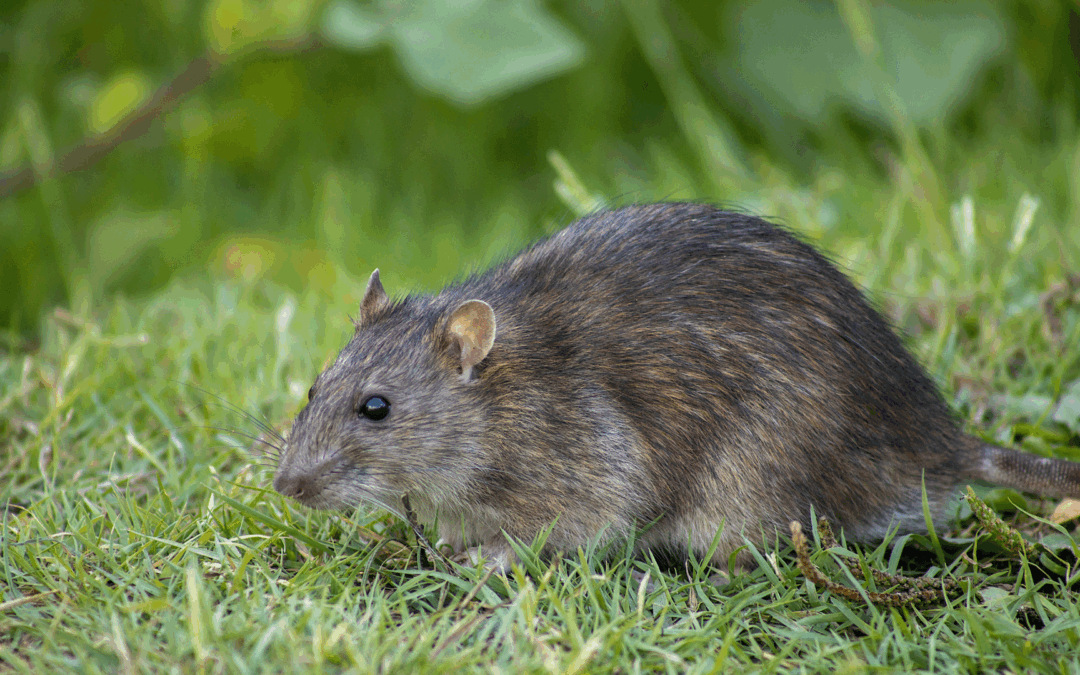
Rodent control in Central NJ is more than just a seasonal concern—it’s a year-round necessity for anyone who values the safety, cleanliness, and structural integrity of their home or business. Mice, rats, and squirrels are not only destructive but can also transmit harmful diseases, making their presence a serious health risk. The diverse climate in Central New Jersey, with its humid summers and cold winters, creates ideal conditions for rodents to breed, find shelter, and seek food indoors. During colder months, these pests often invade homes to escape freezing temperatures, while in warmer months, they forage aggressively, sometimes damaging gardens and outdoor storage areas.
Professional rodent removal in NJ provides comprehensive solutions that go far beyond store-bought traps or repellents, which often only address surface-level problems. Licensed exterminators use targeted treatments, seal entry points, and offer preventive strategies to stop rodents from returning. Homeowners who ignore early signs of infestation risk costly repairs, electrical hazards, and food contamination. By taking a proactive approach to rodent control, residents of Central NJ can protect their property investment and maintain a safe living or working environment.
Common Rodent Species in Central NJ Homes and Businesses
Central New Jersey is home to several rodent species, each with unique habits, risks, and control challenges.
- House Mice – Small, adaptable, and capable of reproducing quickly; they often nest in wall voids, basements, and attics.
- Norway Rats – Large and aggressive, they burrow underground and are often found in basements, sewers, and crawl spaces.
- Roof Rats – Excellent climbers, typically nesting in attics or high storage areas.
- Eastern Gray Squirrels – Common in suburban neighborhoods, they gnaw on wiring, insulation, and wooden beams.
- Chipmunks – Known for burrowing in gardens and lawns, sometimes damaging foundations.
- Deer Mice – Often found in rural or wooded areas; they can carry hantavirus.
- Field Mice – Typically invade homes in late fall in search of warmth and food.
- White-footed Mice – Thrive in both urban and suburban settings and are known for contaminating stored food.
Understanding which species you’re dealing with is essential because treatment methods vary. For example, squirrels may require humane exclusion, while rat infestations often involve targeted baiting and sealing entry points.
Signs of a Rodent Infestation You Shouldn’t Ignore
Rodent problems are often identified too late because the signs are subtle at first. Watch for these telltale clues:
- Droppings in kitchens, pantries, basements, or storage rooms.
- Gnaw marks on wires, furniture, food packaging, and wooden beams.
- Scratching or scurrying noises behind walls or in ceilings, especially at night.
- Nests made from shredded paper, cloth, or insulation hidden in quiet areas.
- Grease smudges or rub marks along walls and baseboards from rodent fur.
- A strong ammonia-like odor from urine in concentrated areas.
- Burrows or small holes in your yard, garden, or near foundations.
- Missing or disturbed pet food.
- Visible rodents—alive or dead—during the day (a sign of a severe infestation).
- Tracks or tail marks in dusty areas such as basements or garages.
- Chewed insulation or wiring in attics, which may cause electrical issues.
- Damaged food containers with small bite marks.
- Increased insect activity (flies, cockroaches) near nesting areas.
- Flickering lights or power outages due to chewed wires.
- Strange pet behavior, such as barking or scratching at walls.
Spotting even a few of these signs should prompt immediate action to prevent the infestation from spreading.
Health and Safety Risks of Rodent Infestations
Rodents are not just unwelcome—they’re dangerous. Mice and rats can spread over 35 known diseases, including Hantavirus, Salmonella, and Leptospirosis, through their droppings, urine, saliva, and bites. These diseases can be transmitted directly to humans or indirectly via fleas, ticks, and mites carried by rodents. For families with children, the risks are higher, as young ones are more vulnerable to severe illness from exposure.
Rodent allergens can also trigger asthma attacks, making them especially problematic for those with respiratory conditions. Beyond health concerns, rodents cause structural damage by chewing wires, wood, insulation, and even plumbing. Squirrels and rats have been known to cause electrical fires after gnawing through live wires in attics. Contaminated food and water supplies can lead to outbreaks of foodborne illnesses in both homes and businesses. Ignoring a rodent problem doesn’t just threaten your property—it puts your family’s health and safety at serious risk.
Why Professional Rodent Control is Essential in Central NJ
Many homeowners try DIY rodent control methods first, but these often provide only temporary relief. Store-bought traps and poisons can reduce visible rodent activity, but they rarely address the root of the problem—entry points, nesting areas, and hidden populations. Professional rodent control in Central NJ involves a comprehensive approach: detailed inspections, targeted trapping, exclusion measures, and sanitation services. Licensed exterminators understand the habits of local rodent species and can develop strategies to eliminate them efficiently.
They also use eco-friendly and pet-safe solutions to minimize environmental impact while ensuring safety for the household. Professional pest control services often include follow-up visits to monitor progress and ensure long-term success. By working with experienced technicians, you’re not just removing existing rodents—you’re creating an environment that makes it difficult for them to return. This level of expertise and preventive care simply isn’t achievable with DIY efforts.
Rodent Control Methods Used by Experts
Professional exterminators use a combination of proven techniques to eliminate rodents and prevent re-infestations.
- Inspection and Assessment – A thorough examination of the property to identify entry points, droppings, nests, and activity patterns.
- Trapping and Removal – Strategic placement of snap traps, live traps, and bait stations for maximum effectiveness.
- Exclusion and Sealing Entry Points – Using materials like steel wool, hardware cloth, and sealants to block rodent access.
- Sanitation and Cleanup – Removal of contaminated materials, disinfection of affected areas, and odor elimination.
- Ongoing Monitoring – Scheduled follow-ups to check traps, reassess problem areas, and ensure the infestation remains under control.
- Education and Prevention Tips – Guidance for property owners on how to avoid attracting rodents in the future.
These methods work best in combination, ensuring both immediate removal and long-term prevention.
Seasonal Rodent Problems in Central NJ
Rodent activity in Central NJ varies by season, which is why year-round pest control is essential. In winter, rodents seek warmth indoors, often entering attics, basements, and crawl spaces. Spring brings increased outdoor activity, as rodents forage and build nests near gardens and sheds. During summer, food sources are abundant, but they still invade homes for shelter during heatwaves. Fall is one of the most critical times for rodent prevention, as pests prepare for winter by storing food and finding indoor shelter. Seasonal changes in rodent behavior mean that property owners must remain vigilant and adapt prevention strategies throughout the year.
Preventing Future Rodent Infestations
Effective rodent prevention involves consistent maintenance and good sanitation practices.
- Seal all cracks, holes, and gaps in walls, foundations, and around pipes.
- Keep food stored in airtight containers.
- Clean kitchens and dining areas regularly to remove crumbs and spills.
- Remove clutter from attics, basements, and storage rooms.
- Keep garbage cans tightly closed and dispose of waste frequently.
- Trim trees and shrubs to prevent rodents from using them as bridges to your home.
- Install door sweeps and repair damaged window screens.
- Use wire mesh to block vents and chimney openings.
- Avoid leaving pet food out overnight.
- Maintain clean outdoor eating areas and grills.
- Store firewood away from the house and off the ground.
- Clear yard debris and fallen fruit promptly.
- Schedule annual professional inspections to catch issues early.
Rodent Control for Businesses and Commercial Properties
Rodents can cause severe financial and reputational damage to businesses. Restaurants risk failing health inspections, warehouses may face damaged inventory, and offices can suffer structural and electrical damage. Commercial rodent control in Central NJ includes customized treatment plans designed to fit each type of business. This often involves discreet service schedules, detailed reporting for compliance purposes, and ongoing monitoring. Pest-free work environments are critical for protecting both employees and customers. Professional services ensure that businesses meet safety regulations, avoid legal liabilities, and maintain a clean, healthy environment that reflects positively on their brand.
Cost of Rodent Control in Central NJ
| Service | Average Cost (NJ) | Details |
|---|---|---|
| Inspection | $75–$150 | Comprehensive property evaluation & infestation assessment |
| One-time removal | $150–$350 | Includes trapping, baiting, and disposal |
| Monthly service | $40–$80/month | Regular monitoring, prevention, and trap maintenance |
| Exclusion work | $200–$600 | Sealing entry points and structural repairs |
| Costs vary depending on the severity of the infestation, property size, and preventive measures taken. Investing in thorough pest control often saves money in the long run by preventing costly damage and repeated infestations. |
Choosing the Best Rodent Control Company in Central NJ
Selecting the right pest control provider ensures effective and lasting results.
- Verify that the company is licensed and insured.
- Read online reviews and customer testimonials.
- Ask about eco-friendly treatment options.
- Compare service warranties and guarantees.
- Check if technicians have experience with local rodent species.
- Request a written estimate and service plan.
- Ensure the company offers follow-up services.
Choosing a trusted rodent exterminator in Central NJ means you can feel confident that your home or business will be protected long-term.
Conclusion
Rodents pose serious threats to property, health, and safety, making professional intervention a must for lasting control. From spreading disease to causing electrical fires, these pests can quickly turn into a costly nightmare if ignored. Investing in professional rodent control in Central NJ offers immediate relief and long-term prevention, protecting your family, customers, and property. With the right exterminator, you can eliminate infestations efficiently and avoid repeat problems. Year-round vigilance, combined with expert help, ensures your environment remains pest-free. Don’t wait for small signs to become big problems—act quickly to secure your home or business today.